
Who Wants to Shine?
LUIGI – NINTENDO’S ADOPTED SON?
You only had to visit the official Nintendo website to be convinced: in 2013, Luigi finally achieved a certain level of recognition. Deemed significantly more high-profile than characters like Samus Aran, Mario’s brother celebrated his 30th anniversary in style with a dedicated game edition, custom figurines, and various other merchandise. It was, in essence, the age of maturity. But let us look back for a moment at this anniversary.
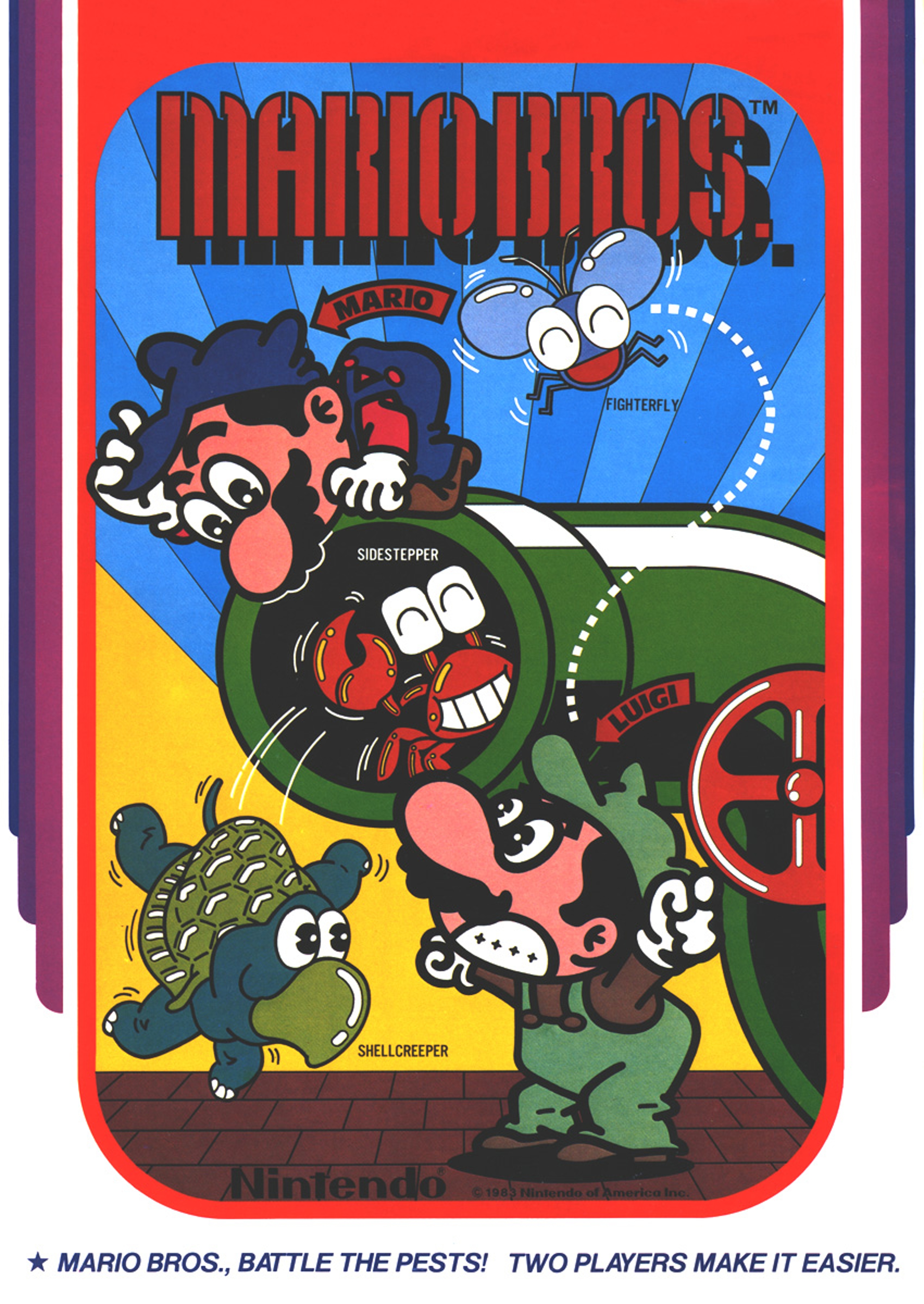
Turning thirty in 2013 means that our green-sweatered, mustachioed plumber was born in 1983. This is easily confirmed by any reasonably reliable source: Luigi made his debut in the arcade game Mario Bros.!
What did our elegant, slender, pipe-loving "Japanese-Italian" look like in his early days? You only need to track down a few period flyers distributed alongside the Mario Bros. arcade cabinet to get a very precise idea. Our man wore green overalls over a brown sweater.
In 1987, for the release of Super Mario Bros., Nintendo revised this design, shifting to white overalls and a green sweater. The final transformation arrived in 1988, with the permanent adoption of the blue overalls and green sweater configuration we know today.
Why focus on these color schemes? Simply because Luigi’s true origins—which no one outside a few chosen elites at Nintendo likely knows—might be a far more surprising story than anyone imagines! Naturally, what follows should be taken with a grain of salt, but you will undoubtedly harbor a massive doubt by the time you finish reading.
Luigi: Nintendo’s Adopted Son?
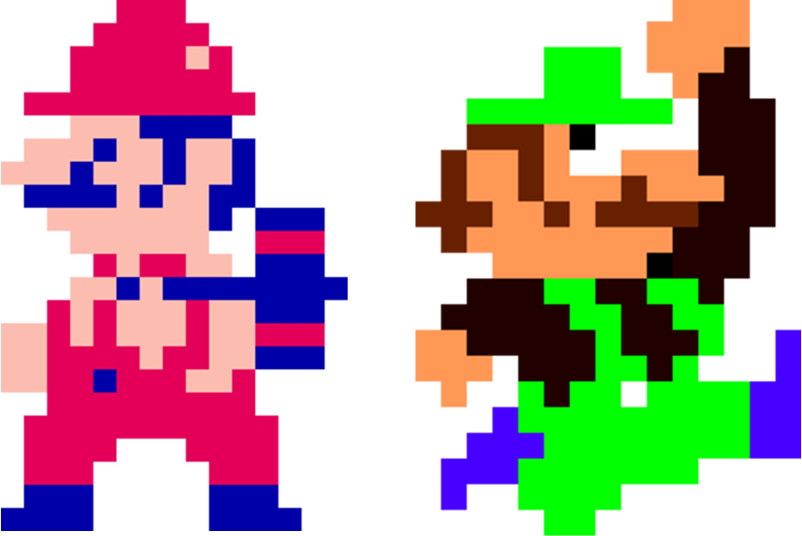
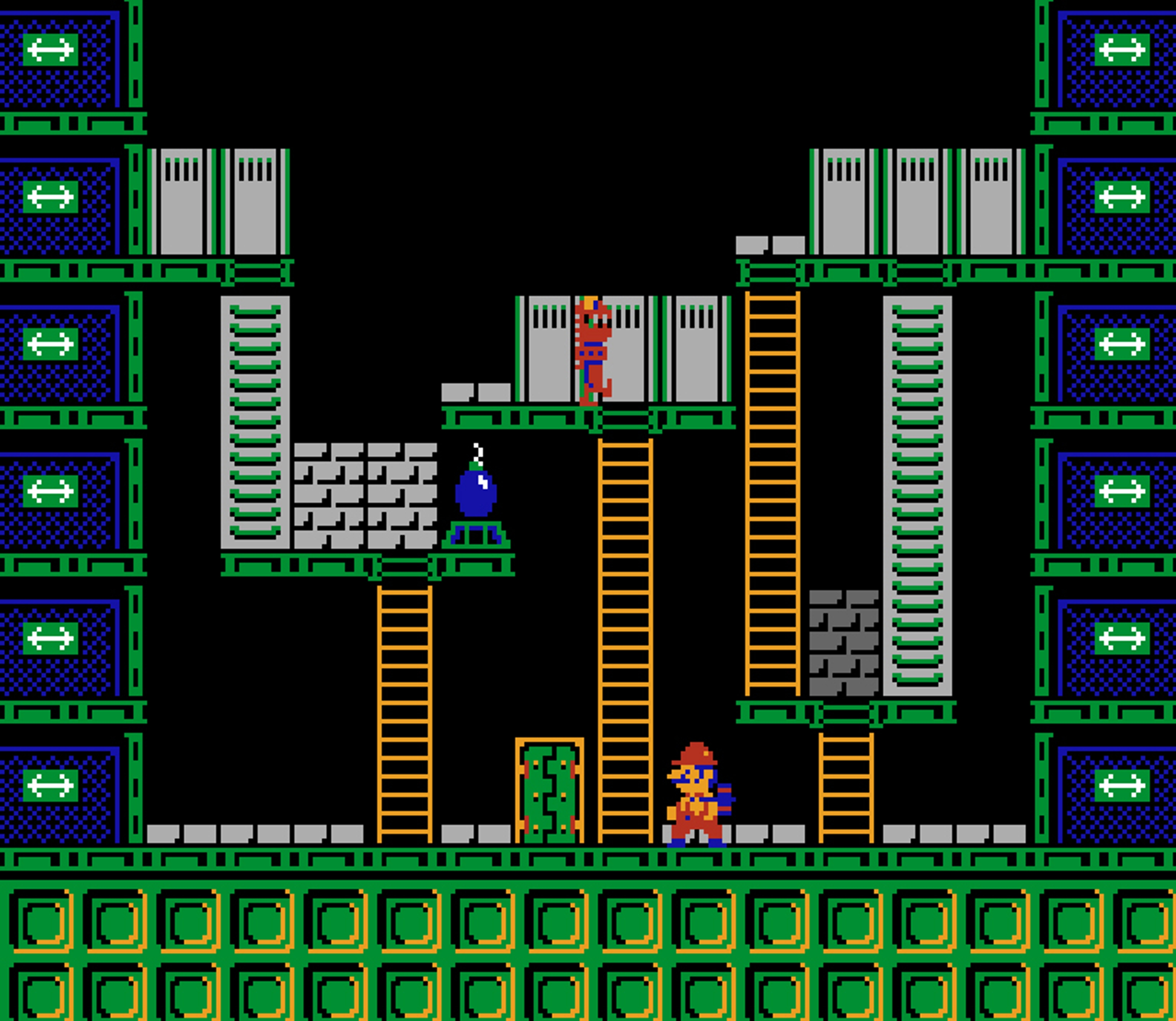
▲ A "plumber" Luigi as seen in Mario Bros. and the same Luigi, styled like the Village People, in Wrecking Crew.
Let us re-examine the facts. Luigi was supposedly born in 1983, and his design evolved until it adopted its definitive traits—in color, height, and shape—by 1989. While evolution has affected many video game characters, it is fascinating to wonder how designers were led to guide their creations in one specific direction or another.
In Luigi’s case, the answer to this question is unsettling for two distinct reasons! The first concerns his very origin. Take a look at the vintage flyer below.
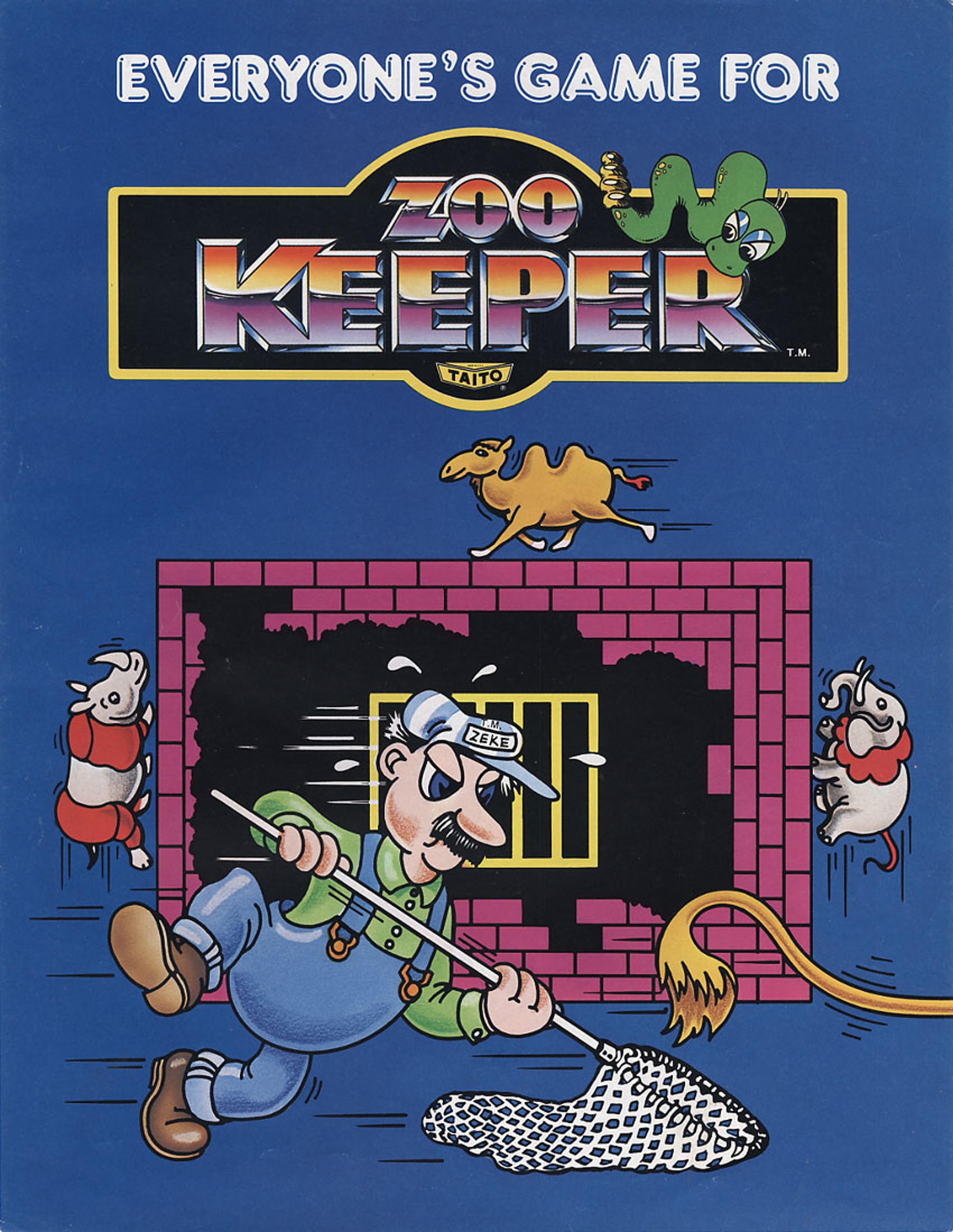
If we hid the title of the game and asked you who this character was, you would undoubtedly answer "Luigi!" Yet, this is actually ZEKE, the hero of a title completely unrelated to Nintendo. It was developed for Taito primarily by one man: John Morgan. Zoo Keeper dates back to 1982—at least as its official creation date—though its actual commercial release is closer to May 1983.
Regardless, something will have already clicked in your mind. You have to wonder how Nintendo’s plumber can, to this day, look so remarkably identical to this "second-tier" character—someone totally unknown to the general public and even to dedicated video game historians! The similarities are so striking that it seems impossible to dismiss them as a mere coincidence. The clothing style, the colors, the cap, the shoes, and even the mustache or the name written right on the headwear—everything matches perfectly!
Let us also look at the 1981 Donkey Kong flyer. In this official original document, Mario—who did not yet have his name and was simply called Jumpman—obviously does not sport an "M" on his cap. It is surprising to realize that this would become a trademark for Nintendo’s flagship saga, when the concept was ultimately not invented by the company at all.
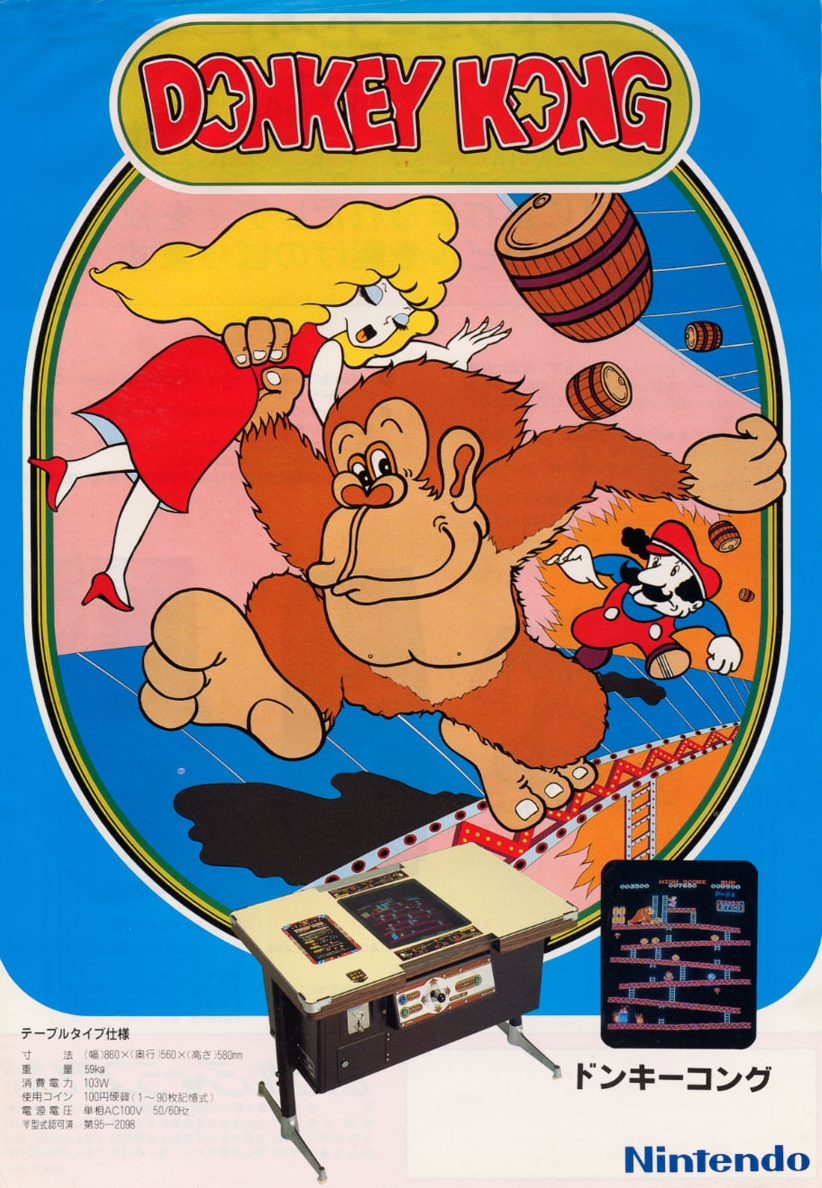
If we, as passionate Nintendo fans, stubbornly refuse to see any reference to Zoo Keeper in the Big-N game, we would be acting in sheer bad faith! The second reason that makes the answer to our question about Luigi’s origins so troubling is an excellent way to convince ourselves that interactions must have truly occurred between the creative minds at Nintendo and this famous 1983 arcade cabinet. This reason is none other than the name of the damsel in distress Zeke had to rescue. Believe it or not, her name was... Zelda!
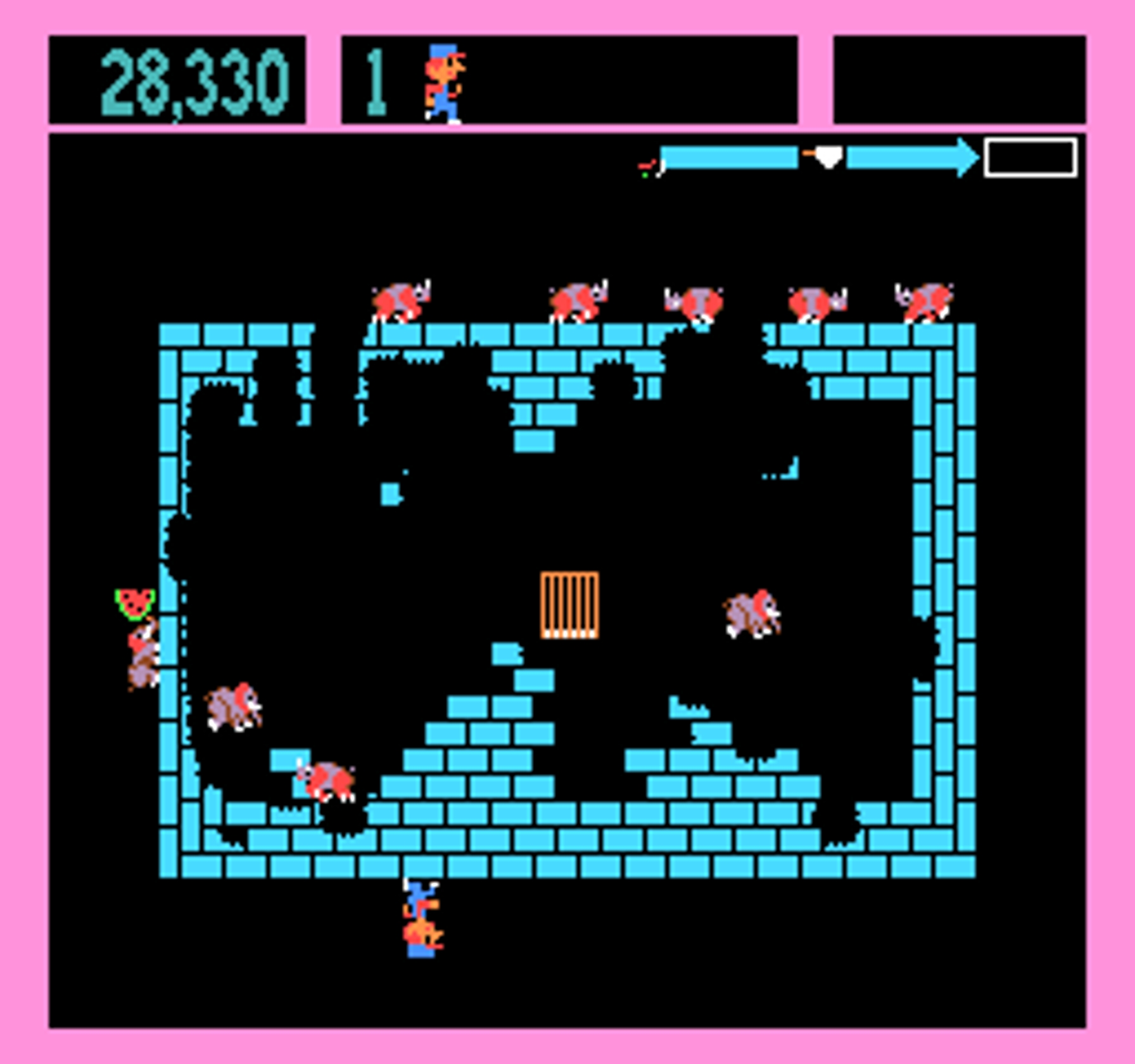
▲ Apart from its possible influence on Luigi's design, it is rather Zoo Keeper that copies Donkey Kong, although the game remains very different in its approach.
While Zelda is a name used in America, it is by no means common. For it to be featured in a game where the hero looks identical in every way to one of Nintendo’s most iconic figures is an incredible coincidence. According to John Morgan, Donkey Kong’s influence on his title was very real. However, because his game hit the market before Mario Bros. and The Legend of Zelda, he could not have drawn inspiration from those specific Nintendo productions. Furthermore, let us remember that Luigi’s design was not originally the one everyone knows today; it took six years to finalize. Did the teams at Nintendo play Zoo Keeper? No one will ever know for sure. But to claim that Luigi was inspired by this title as early as 1983 is a step we will not hesitate to take.
▲ Zeke's in-game sprite does not match the image shown on the game's flyer at all! It is the flyer artwork itself that remains intriguing when compared to Luigi.
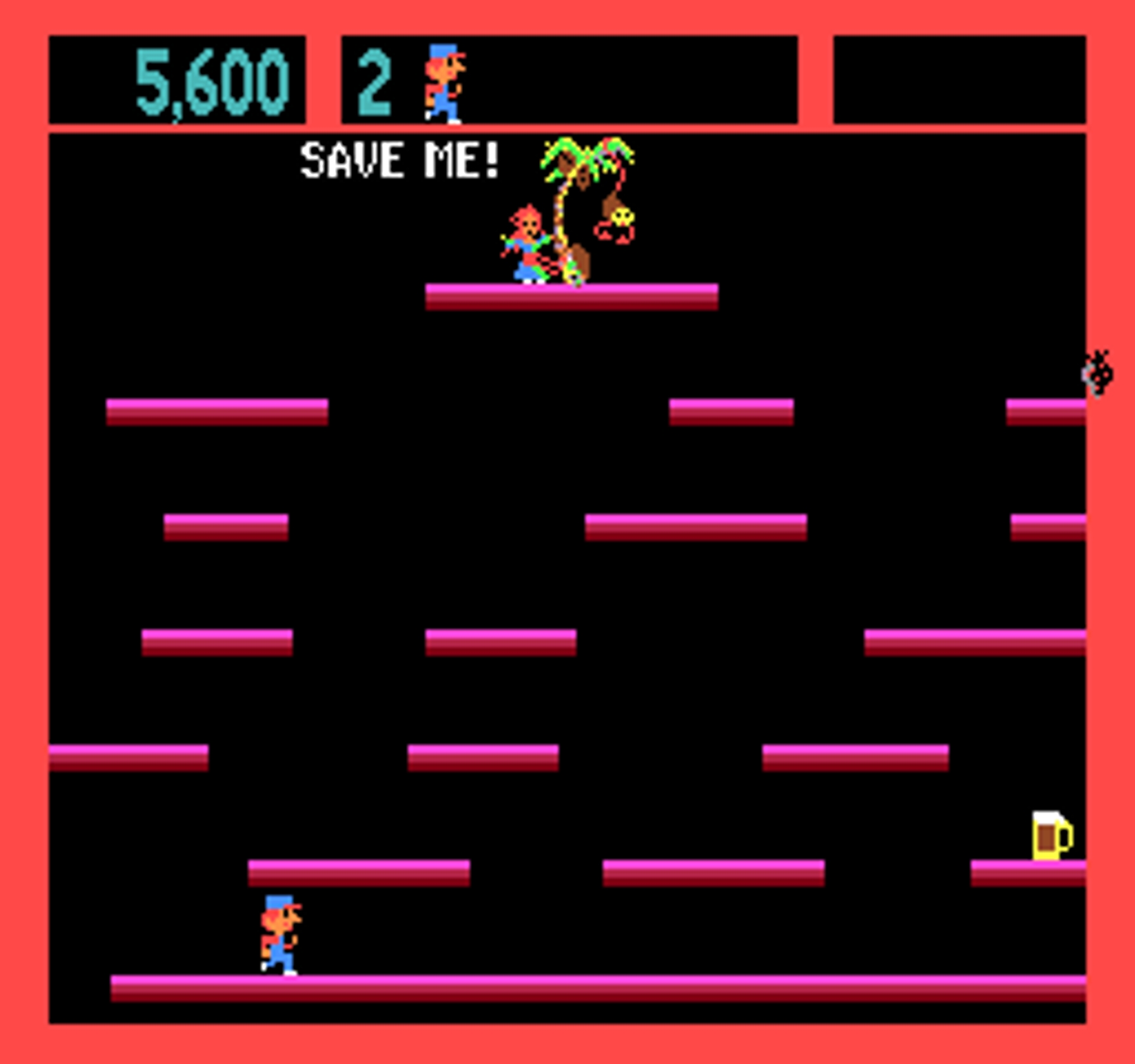
▲ The boss phase of Zoo Keeper inevitably evokes Donkey Kong, complete with its ape, coconuts, and Zelda! Outside of its possible influence on Luigi’s design, it is actually Zoo Keeper copying Donkey Kong, even though the gameplay approach remains very different.
THE END